Supportive care
What we know works
Unscheduled care for dental problems is common, complex to deliver, and expensive. Prevention is key to prevent problems developing and support residents. We know what works:
Good oral hygiene practices like regular brushing (especially at night-time) are important.
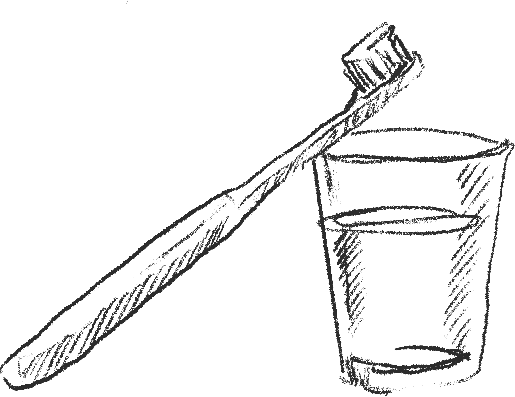
Reducing sugar consumption is key for good oral heath.
Ongoing access to prevention will make a positive difference.
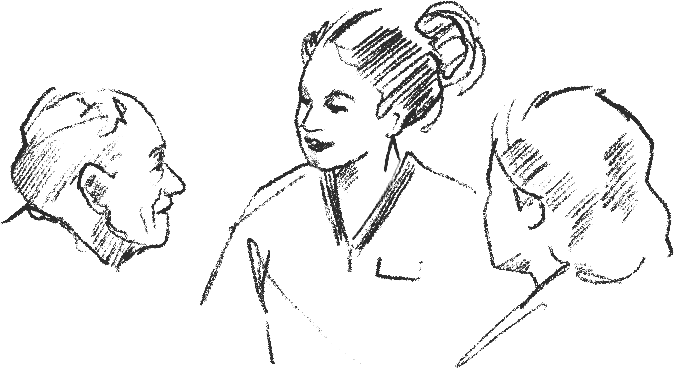
But access to oral health care is poor for residents:
- Access to dental services whilst in a care home is often difficult.
- Some care home residents don’t have their own dentist or find it difficult travelling to one.
It is also challenging for care home staff to help:
- Many care home residents need extra help with daily mouth care.
- There is limited oral health training for staff.
- Staff often have limited time for oral care due to competing care needs.
- Residents can sometimes display challenging behaviour, which makes good oral health care difficult to deliver.
While visiting dental teams can help, it is better to prevent tooth decay and gum disease developing and this depends on understanding what is important to improve or maintain oral health and teamwork to ensure it is delivered. Daily support from care staff, diets with less sugar, and ongoing preventive care are all important for improving residents’ oral health and well-being.
Our research shows that:
- Introducing an oral health programme in care homes is possible.
- Improving oral health in care homes is achievable.
- Staff welcome training and the tools to use in practice, even when time pressures and staff turnover make this challenging.
- When care home managers support oral health and staff feel confident in how to improve oral health, care homes actively promote good oral health practices.

It's about getting to know your resident, what works, what doesn't work.

Implementing supportive oral health
Good oral health in care homes works best when it involves everyone.
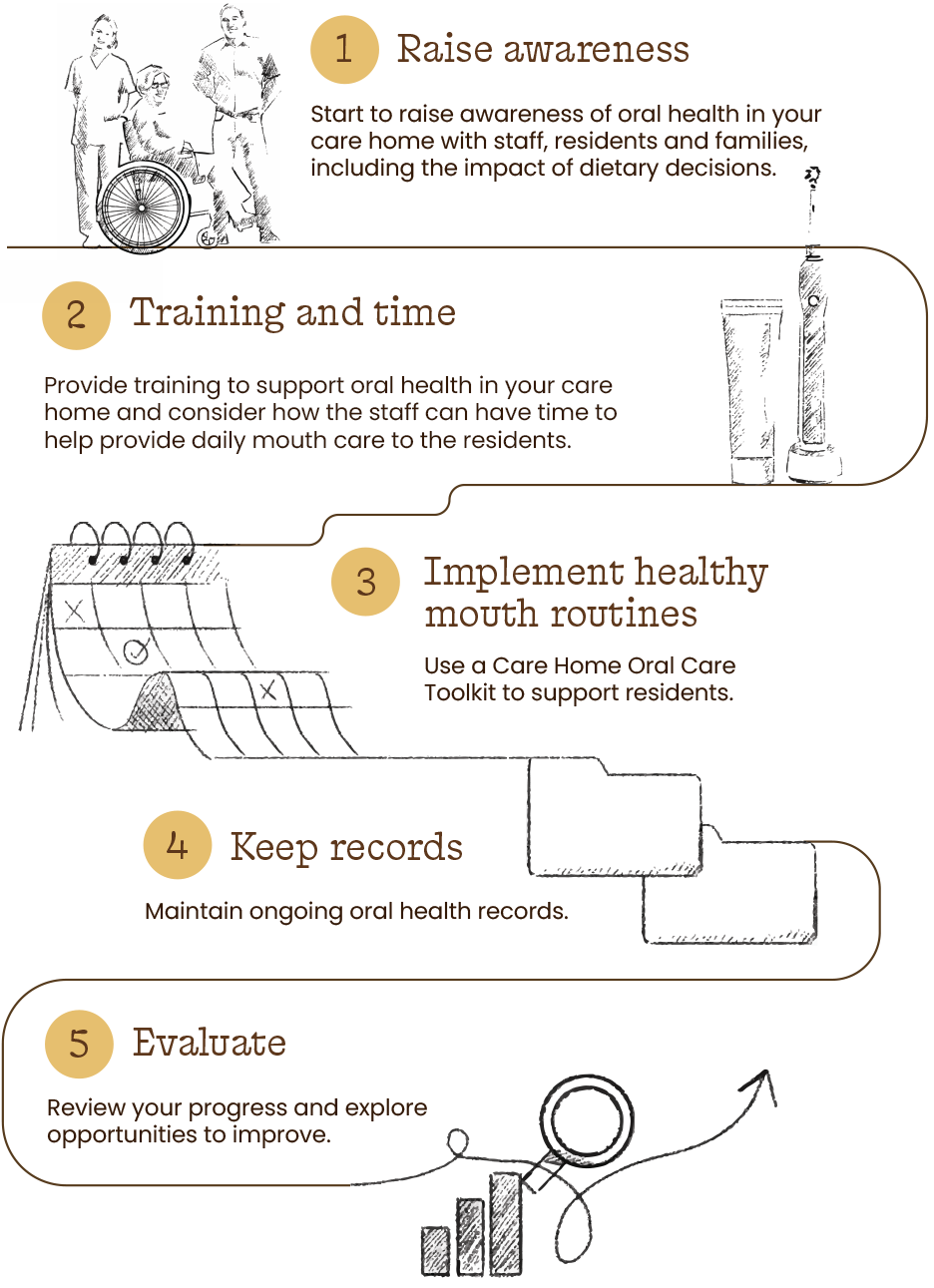
We suggest you follow a 5 stepped approach.
Oral health and aging
Oral health changes as we age. Find out more.

Everyday
tips
Supporting oral health can be a challenge. Explore practical suggestions.
Helpful resources you can use
Download resources to help you implement supportive oral health care.


Read more about the research that underpins this resource
SENIOR
Read more
TOPIC
Read more