Oral health and aging
Oral health as we age
Oral health is sometimes known as mouth health. Having good oral health makes a real difference to people's quality of life. As we age maintaining good oral health gets harder.
As people begin to lose their independence, they find brushing more difficult.
Tooth decay is three times more common in care home residents compared to older adults living in the community.
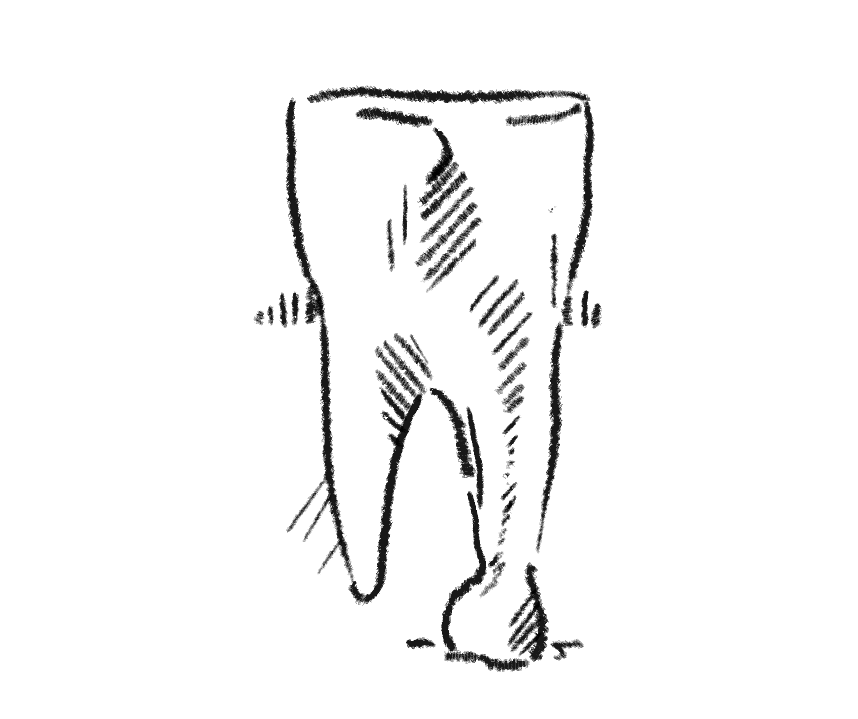
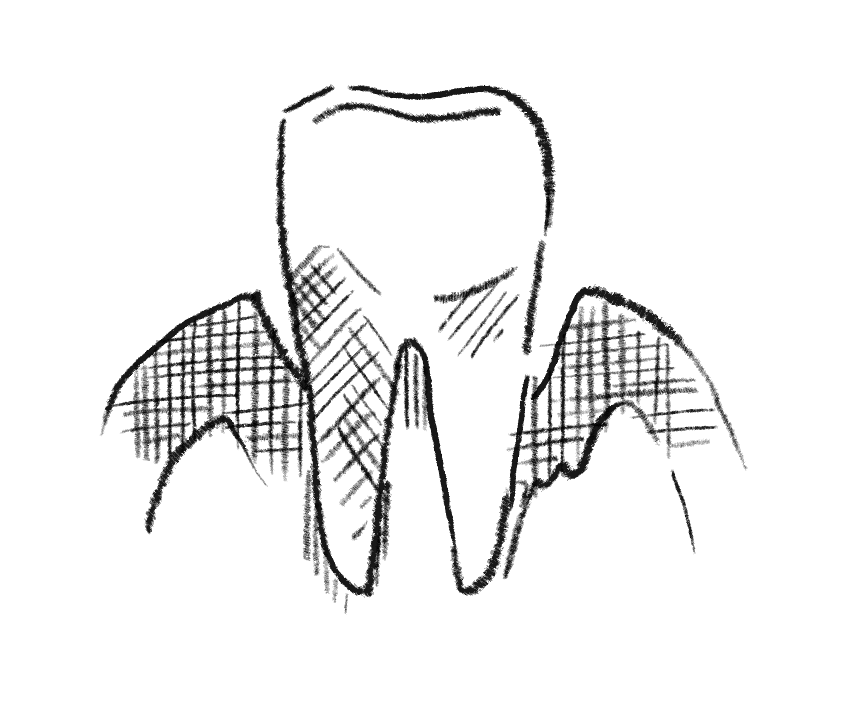
As brushing becomes more difficult, older people start getting more gum disease.
This causes bleeding and loose teeth.
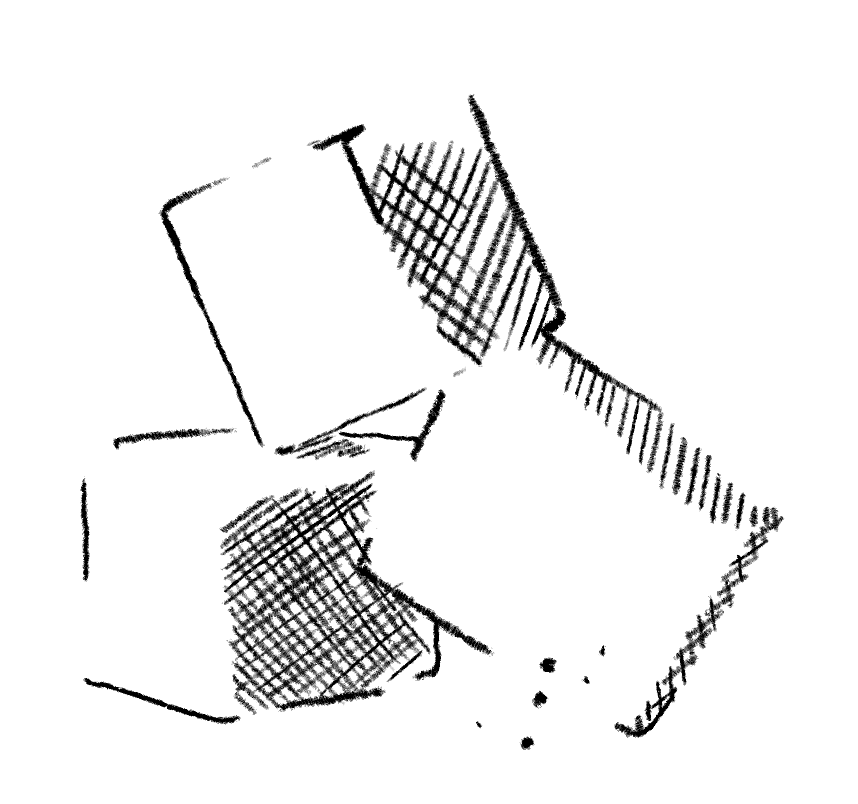
Diets in care homes can contain a lot of sugar and many medications cause dry mouths.
Together they increase the risk of both tooth decay and gum disease.
- Poor oral health impacts on care home residents’ comfort.
- Good oral health supports dignity.
- Poor oral health can worsen medical conditions.
- Good oral health improves people's quality of life and confidence.
A healthy mouth
- No tooth decay (holes in your teeth).
- No gum disease (where your gums bleed and teeth become loose).
- No tooth ache, mouth or facial pain.
- No infections or swellings.
Oral health in care homes

High levels of dental disease are common in older adults living in care homes. This can cause pain, difficulty eating, and seriously impact on the quality of life of residents. Many older people enter care homes with dental decay and gum problems. Unfortunately, oral health often gets worse whilst living in a care home.
National Guidance
The National Institute for Health and Care Excellence (NICE) has published guidance to improve oral health in care homes. Read the NICE guidance - NG48 Oral health for adults in care homes. The Care Quality Commission (CQC) Smiling Matters: Oral health in care homes – progress report shows that there is still a long way to go for the NICE guidelines to be well implemented.
Supportive
care
Good oral health works best when it involves everyone. Learn more.

Everyday
tips
Supporting oral health can be a challenge. Explore practical suggestions.
Helpful resources you can use
Download resources to help you implement supportive oral health care.